
Paul Thurrott
Paul Thurrott is an award-winning technology journalist and blogger with 30 years of industry experience and the author of 30 books. He is the owner of Thurrott.com and the host of three tech podcasts: Windows Weekly with Leo Laporte and Richard Campbell, Hands-On Windows, and First Ring Daily with Brad Sams. He was formerly the senior technology analyst at Windows IT Pro and the creator of the SuperSite for Windows from 1999 to 2014 and the Major Domo of Thurrott.com while at BWW Media Group from 2015 to 2023. You can reach Paul via email, Twitter or Mastodon.
Paul Thurrott’s Recent Posts

Samsung Galaxy S9+ Review Part 1: Design, Hardware, and Specs
- Paul Thurrott
- Apr 10, 2018
-
18
comments
The Samsung Galaxy S9+ is the single best smartphone available today. As such, it requires…

Apple Says it Runs on 100 Percent Renewable Energy (Updated)
- Paul Thurrott
- Apr 09, 2018
-
44
comments
One-upping Google, Apple today announced that it is running its business on 100 percent renewable…

It’s Easier to Add than Subtract (Premium)
- Paul Thurrott
- Apr 09, 2018
-
76
comments
Watching Chromebooks evolve into truly capable PC replacements is a fascinating reminder that it's easier…

Apple Announces Special Edition Red iPhone 8
- Paul Thurrott
- Apr 09, 2018
-
12
comments
The long-rumored (PRODUCT)RED Special Edition of the iPhone 8 and iPhone 8 Plus is real,…
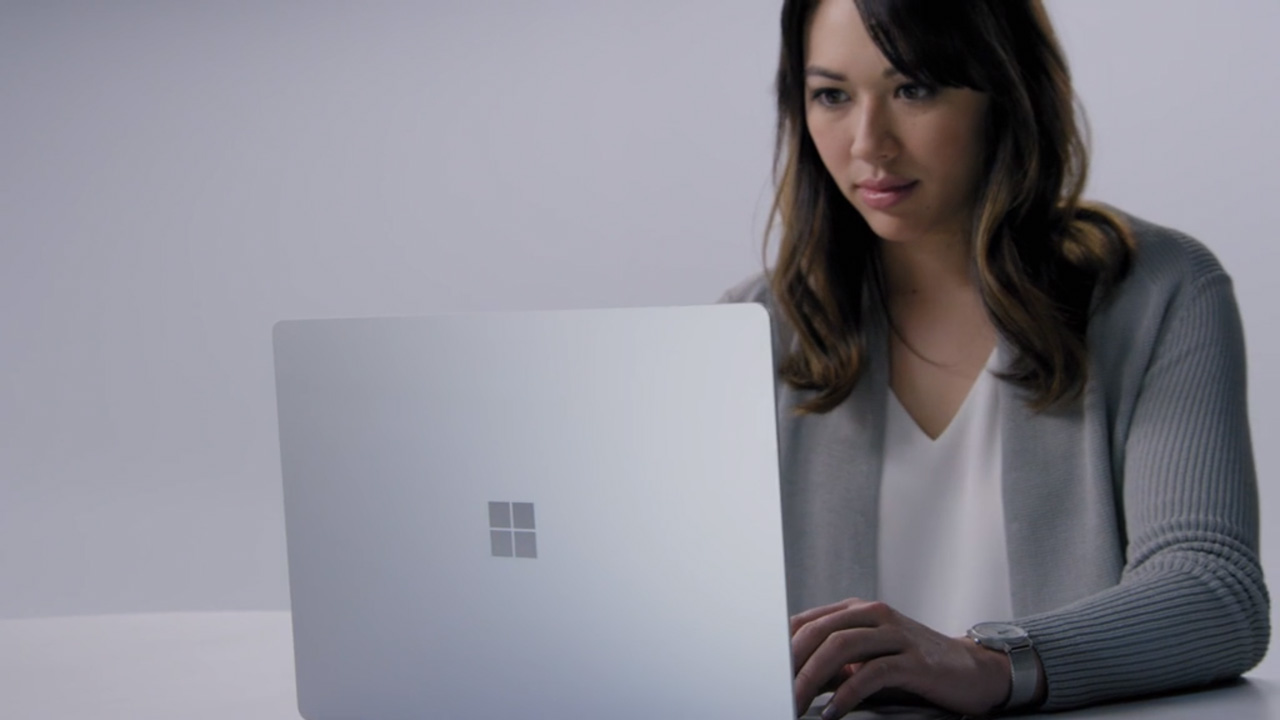
3:2 (Premium)
- Paul Thurrott
- Apr 08, 2018
-
60
comments
While there's some debate about the benefits of 3:2 displays on portable PCs, there shouldn't…

Tweeten 4.4 Adds Responsive Design, More
- Paul Thurrott
- Apr 08, 2018
-
23
comments
Mehedi has released a major update to his Twitter client, Tweeten, adding a responsive design,…

Clarifying Microsoft’s Plans for 64-Bit Apps on Windows 10 on ARM
- Paul Thurrott
- Apr 06, 2018
-
52
comments
Microsoft always gets low marks for communication. Here's the most recent example.
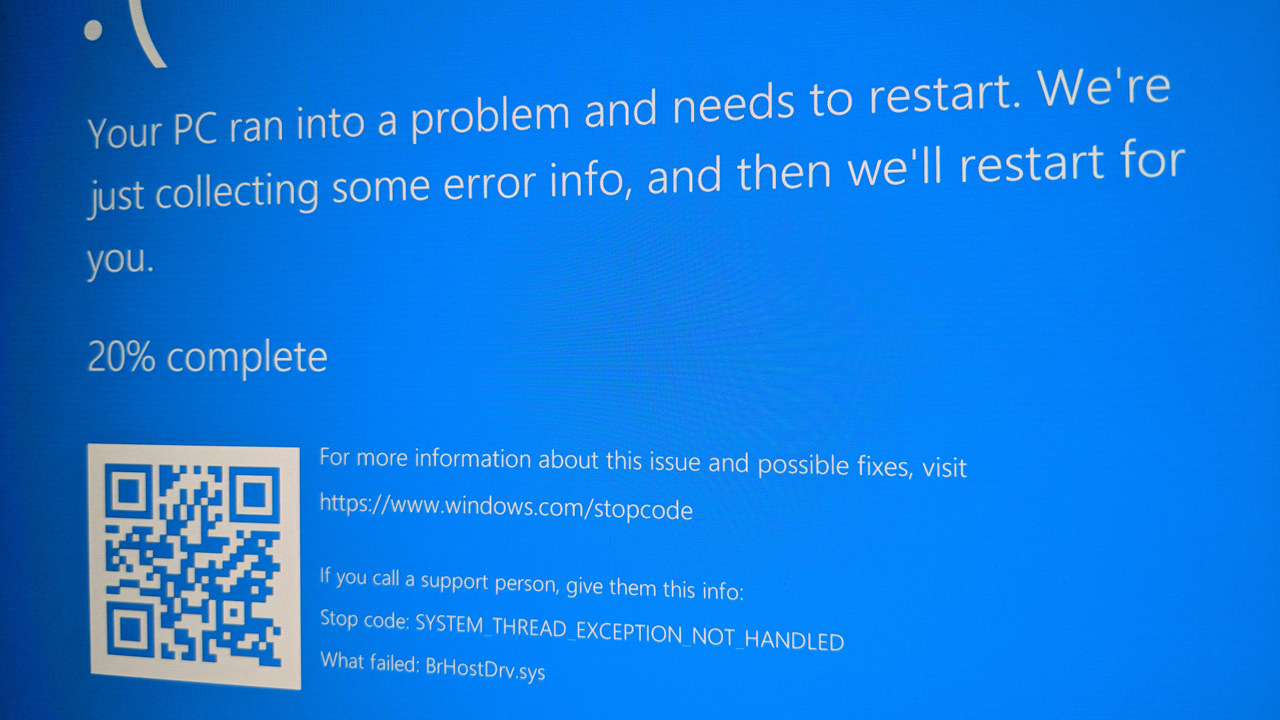
Ask Paul: April 6 (Premium)
- Paul Thurrott
- Apr 06, 2018
-
30
comments
This week, I tackle some new questions plus provide an update on the evolution of…
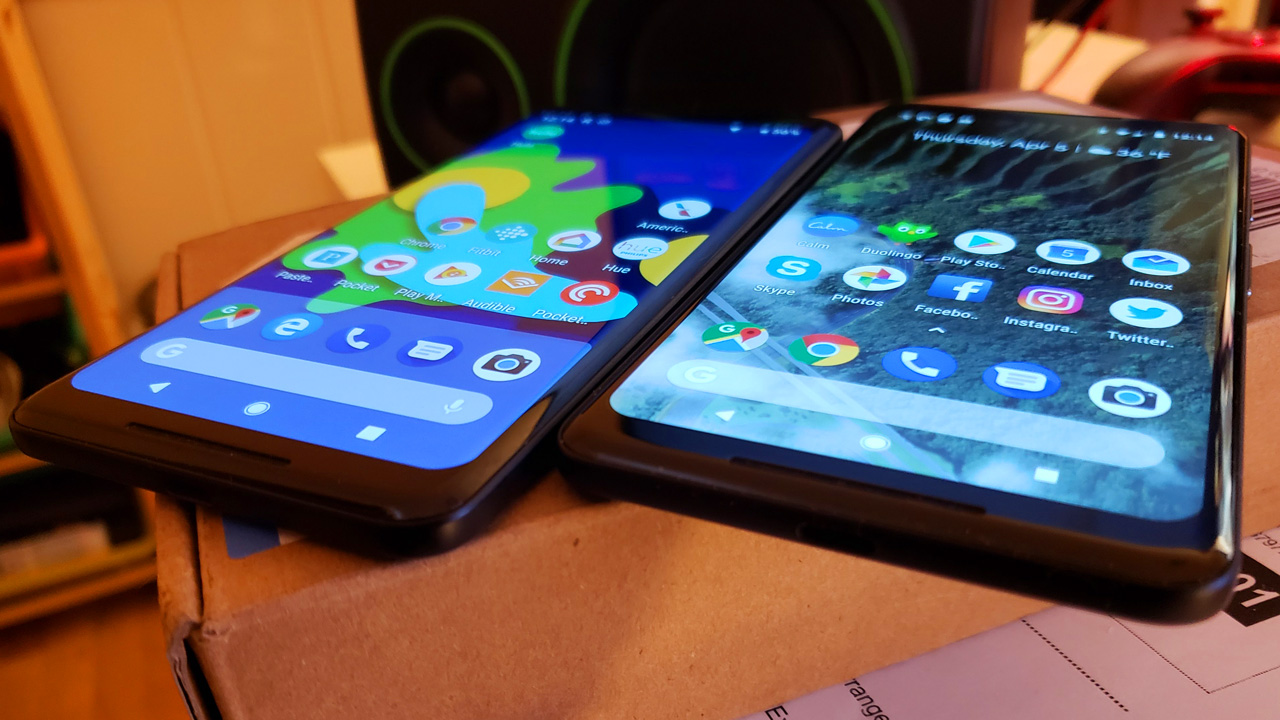
Google Pixel 2 XL, Replaced
- Paul Thurrott
- Apr 05, 2018
-
53
comments
My replacement Google Pixel 2 XL arrived yesterday, and I've spent much of the intervening…

Microsoft’s Role in the Next Wave (Premium)
- Paul Thurrott
- Apr 05, 2018
-
15
comments
Ambient computing is the "next wave" of personal computing. But what role can Microsoft play…

New Skip Ahead Build Delivers Sets Improvements
- Paul Thurrott
- Apr 04, 2018
-
9
comments
A new Windows 10 Insider Preview build for Skip Ahead delivers a number of improvements…

Microsoft Announces a $5 Billion Investment in IoT
- Paul Thurrott
- Apr 04, 2018
-
19
comments
Microsoft announced today that it will invest $5 billion in Internet of Things (IoT) research…

Report: Future iPhones to Feature Curved Displays, Touchless Controls
- Paul Thurrott
- Apr 04, 2018
-
28
comments
A new report says that Apple will follow Samsung by offering curved displays and touchless…

Apple Music Picks Up Music Video Support on Android
- Paul Thurrott
- Apr 04, 2018
-
3
comments
Apple quietly updated its Apple Music app on Android this week to add support for…
![No, Google isn't running its operations on 100 percent renewable energy. But the firm has reached a major milestone in renewable energy purchasing. "Google’s total purchase of energy from sources like wind and solar [in 2017] exceeded the amount of electricity used by our operations around the world, including offices and data centers," Google's Urs Hölzle writes. "For every kilowatt hour of electricity we consumed, we purchased a kilowatt hour of renewable energy from a wind or solar farm that was built specifically for Google. This makes us the first public Cloud, and company of our size, to have achieved this feat." To be clear, Google has not powered its operations solely with 100 percent renewable energy: Such a feat, it says, is impossible. Instead, it is matching its energy consumption with purchased renewable energy which it returns to a power grid somewhere. "That renewable energy may be produced in a different place, or at a different time, from where we’re running our data centers and offices," Hölzle claims. "What’s important to us is that we are adding new clean energy sources to the electrical system, and that we’re buying that renewable energy in the same amount as what we’re consuming, globally and on an annual basis." Google began purchasing renewable energy in 2010. And in December 2016, the firm announced that it intended to achieve 100 percent renewable energy matching for its global operations in 2017. This achievement is impressive, and it dwarfs similar efforts by companies like Amazon, Microsoft, and Facebook, each of which also maintains massive datacenters around the globe. Microsoft, in particular, has improved its consumption of renewable energy over the past year, but it still trails Amazon and isn't in the same league as Google.](https://thurrott-assets.nyc3.digitaloceanspaces.com/web/2018/04/renew.jpg)
Google Hits a Major Renewable Energy Milestone
- Paul Thurrott
- Apr 04, 2018
-
9
comments
No, Google isn't running its operations on 100 percent renewable energy. But the firm has…

The Way Forward? (Premium)
- Paul Thurrott
- Apr 04, 2018
-
74
comments
Today, I'd like to stop worrying about what happened and think about what things might…