Microsoft Touts Windows on Arm Ahead of Nvidia RTX Spark
- Paul Thurrott
- Aug 25, 2026
-
14
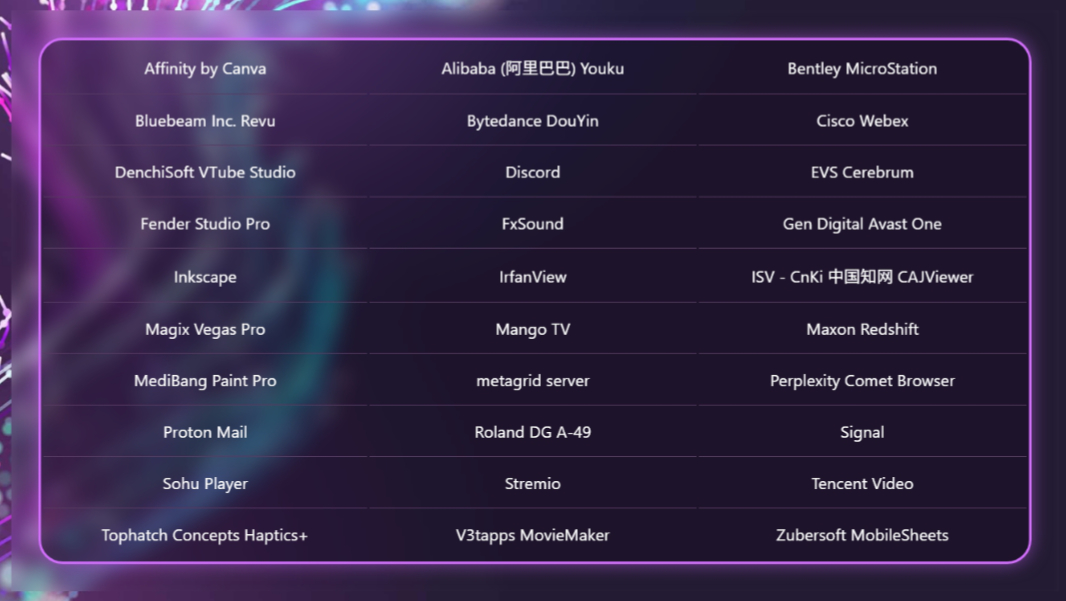
Microsoft and Nvidia announced the Windows on Arm-based RTX Spark chipsets in June and new PCs–including at least one Microsoft Surface PC–are expected soon. Today, Microsoft says that “the market is sending a clear signal” and that “customer demand for powerful and efficient Windows on Arm devices and experiences.” Which is to say, Apple just announced new Arm-based Apple Silicon chips and Macs, and Microsoft was caught without a response.
“In the fall of 2026, Nvidia RTX Spark [PCs] from Microsoft Surface, ASUS, Dell, HP, Lenovo, and MSI will be available,” Microsoft partner director Klaus Diaconu writes. “Alongside the expanding PC landscape, the Windows app ecosystem continues to grow rapidly. As powerful Arm-based devices reach more customers, this motivates developers to build and optimize for the platform. Consequently, as the app catalog grows, customers have even more reason to choose Windows on Arm hardware.”
Two and a half years after PC makers released the first Qualcomm Snapdragon X-based Windows 11 on Arm PCs, called Copilot+ PCs, and here we are still talking about compatibility. Well, not so much about compatibility, as that’s been excellent since the beginning. But rather about the customers who may or may not buy these PCs based on their long out-of-date understanding of that compatibility.
As Microsoft notes, there are over 7000 verified apps and games available for Windows on Arm and listed on the Works on Windows on Arm website. The software giant has a dedicated Arm Advisory Service available as part of its App Assure app compatibility program. And it’s working “side by side with a diverse set of software development companies to bring their apps to the Windows on Arm catalog, ensuring that no customer is left behind.” But it still feels the need to promote how well these compatibility efforts are going.
Since the last compatibility update a year ago, Microsoft says that it’s seen major Windows on Arm compatibility advances in STEM and education apps, security apps, productivity apps, and creativity, social media and entertainment apps, with dozens of new entries in each category.
“The takeaway is clear,” Diaconu writes. “Windows on Arm is no longer defined by potential but by a rapidly expanding ecosystem of [PCs] with apps available across workloads that customers depend on most. As developers continue to invest in Arm-native experiences and compatibility, customers gain more choices, flexibility, and confidence in adopting the next generation of Windows [PCs].”
Am I the only one curious why Microsoft never used the terms “Windows 11” or “Windows 11 on Arm” in this post and only mentioned “Copilot+ PC” once, in passing, and then only for a previous set of releases? Hm.