What I Use: Mexico City, January 2022 (Premium)
- Paul Thurrott
- Jan 30, 2022
-
24

Our third trip to Mexico in 6 months was structured more like a home swap than our previous trips, and I packed accordingly. We stayed in the same home—excuse me, Airbnb—in Mexico City for most of the trip, but we also took a quick side-trip, in this case to nearby Puebla. And as I’ve written elsewhere, I was able to test my more mobile computing setup on the road for the first time.
Here’s what I brought to—and did in—Mexico.
Tech gear
I’ve written about the “more mobile” computing setup that I brought to Mexico twice—in More Mobile: On the Road (Premium) and More Mobile: Packing It Up (Premium), respectively—so here I’ll focus on the PCs, phones, and other tech gear I took.
PCs
I brought two PCs, both of them former review units, the HP Spectre x360 14 and the Microsoft Surface Pro 8.
Both are what I’d call best-in-class in their respective categories, but I originally hoped to bring at least one newer review laptop; unfortunately, the Elite Dragonfly G3 that HP sent me earlier this month was a pre-production unit and didn’t work properly. But that reminded me of how much I liked the Spectre because of its similar size/shape/form factor. I had to scramble to get it into traveling shape, however, as it had been wiped and was boxed up for shipping. So that was a last-minute scramble.
The Surface Pro served as a backup, just in case, but it’s configured now for screenshots for the Windows 11 Field Guide. I didn’t use it all that much, but I kept it charged and up-to-date.
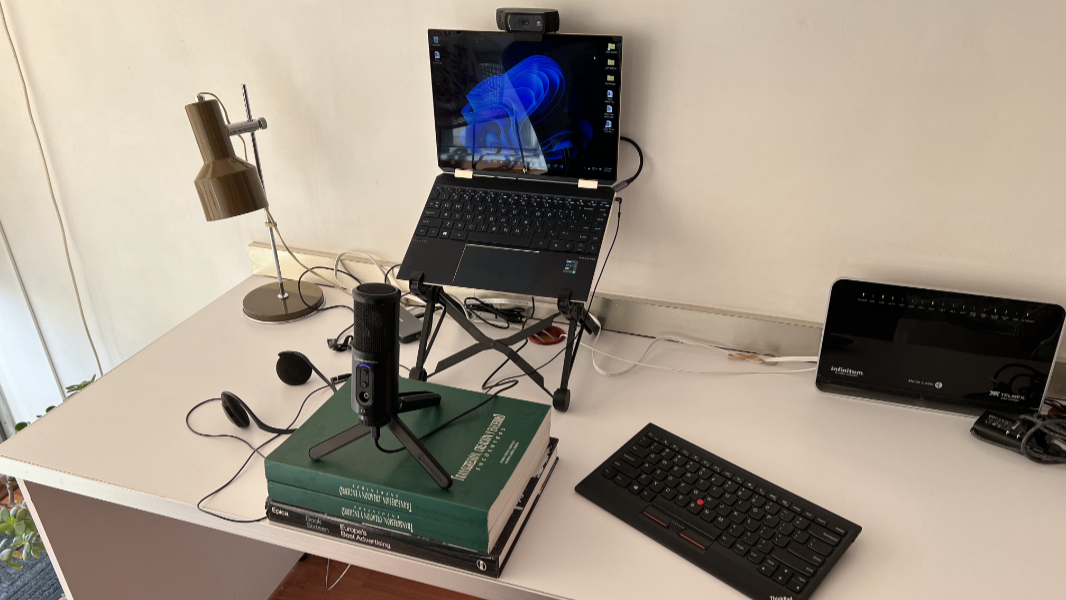
Instead, I mostly stuck to the Spectre, and it worked well for the most part. I did have two weird issues, however. During a side-trip to Puebla, the bus we took ended up being too cramped to work, so I watched some of the old Microsoft videos I had downloaded to it instead. Since the Spectre is an x360 (convertible) device, I did this with it in tablet mode. This worked OK, bus jostling aside, but when we got to Puebla, the Spectre would occasionally “lose” the keyboard and touchpad in clamshell (laptop) mode and I started getting worried that it had somehow been damaged while traveling. But it’s been fine since then, so I’m not sure what happened.

The second issue is related to the touchpad and has been ongoing and is frustrating. And while I sometimes experience this issue with other PCs, I’ve never seen it this bad. One of the reasons I don’t like large touchpads is that you often have to really stretch over to the left to get a left-click. And I often have an experience where I select something, right-click, choose Copy, and then go to wherever the target is and select Paste, and instead of pasting the thing I just copied, it pastes the previous thing. I did this enough over the past two weeks that I started really paying attention and making sure I was as far to the left as possible when I selected Copy. But it kept screwing up.
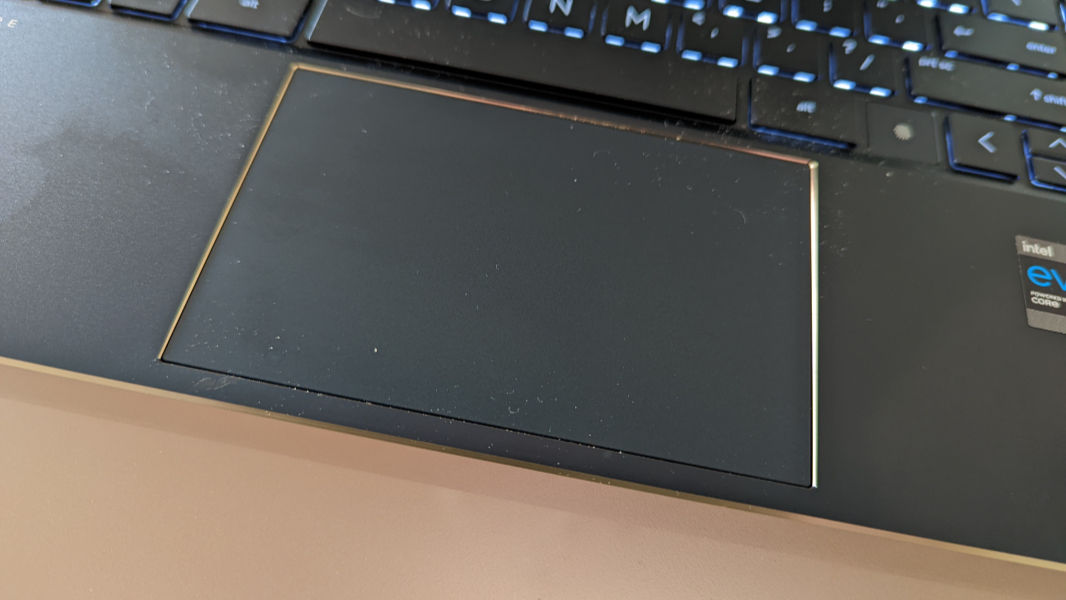
I spent a lot of time screwing around with the touchpad settings but never fixed it. Worse, this should never happen: when you successfully bring up the context menu that has Copy and other options in it, it shouldn’t matter if the system registers a left- or right-click when you select Copy or any other option. It should just work. But it kept ignoring my attempts to copy text to the clipboard. I was ready to murder the thing.
Tablet
I brought my iPad Air, as always, and loaded it up with Kindle books and download Netflix content, which I find takes up a lot less space than Apple purchased movies and TV shows. No issues there: the iPad is the obvious choice when it comes to tablets.
Phones
I brought two smartphones to Mexico, and they are the two I purchased most recently, the Apple iPhone 13 Pro, which was configured with two SIMs—Mint Mobile and Google Fi, for international data—and the Google Pixel 6 Pro, which got my Google Fi data SIM. I’ve been doing a lot of navel-gazing when it comes to these two handsets, but the two main points are that I mostly used the iPhone during the trip, but prefer the photos taken with the Pixel 6 Pro. It’s not a big deal, as the iPhone photos are great too.
In March, my Mint Mobile annual contract is up and I have some decisions to make. Using dual SIMs works fine, I guess. But with international travel back on the tablet, I might just switch back to Google Fi and simplify things. It will be more expensive.
Headphones
In April 2021, I purchased a pair of expensive ($280) Bose QuietComfort Earbuds when it was clear we were going to be flying again. The noise-canceling performance is excellent, and they stay in my ears well. But they’re still earbuds. And between the flights and that bus ride to/from Puebla, I’ve started getting worried about one popping out and getting lost en route somewhere. I commented to my wife that I should have gone with something over-the-ear, even though I have those kinds of headphones.
(What I really miss is my Bose QuietComfort 20 Acoustic Noise Cancelling headphones, which are less viable today because my phones don’t have headphone jacks, and the dongles you can use instead create noise and popping sounds.)
I also brought the OnePlus Buds Z2 earbuds as backups. They wouldn’t be able to cancel out the noise of an airplane effectively, but they’re better than nothing and their small size means they can disappear in my laptop bag unnoticed.
Other gear
I always travel with a gadget bag for various cables, USB memory sticks, and the like.
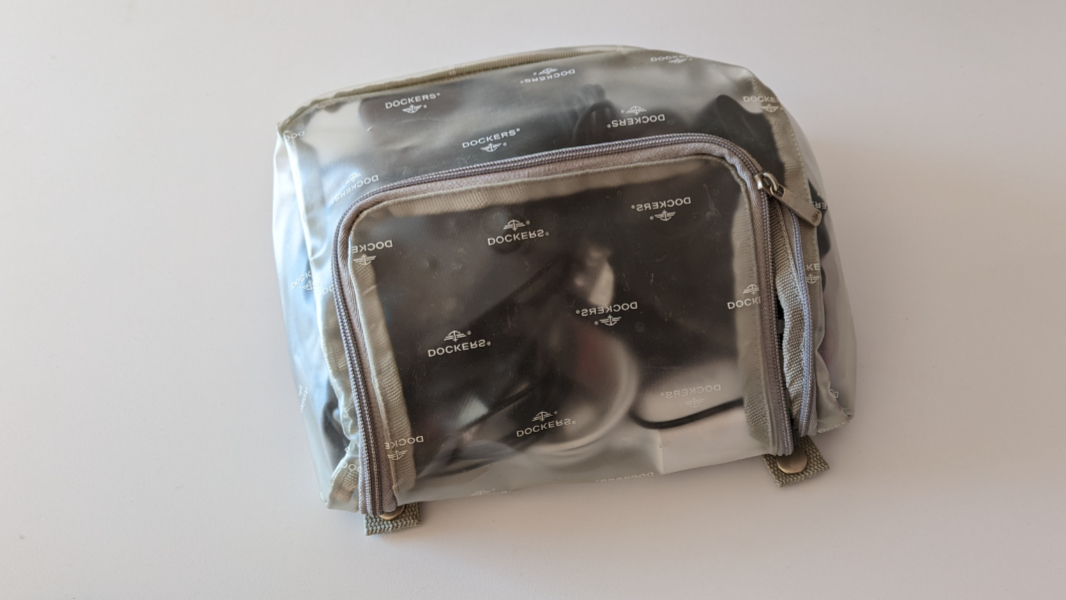
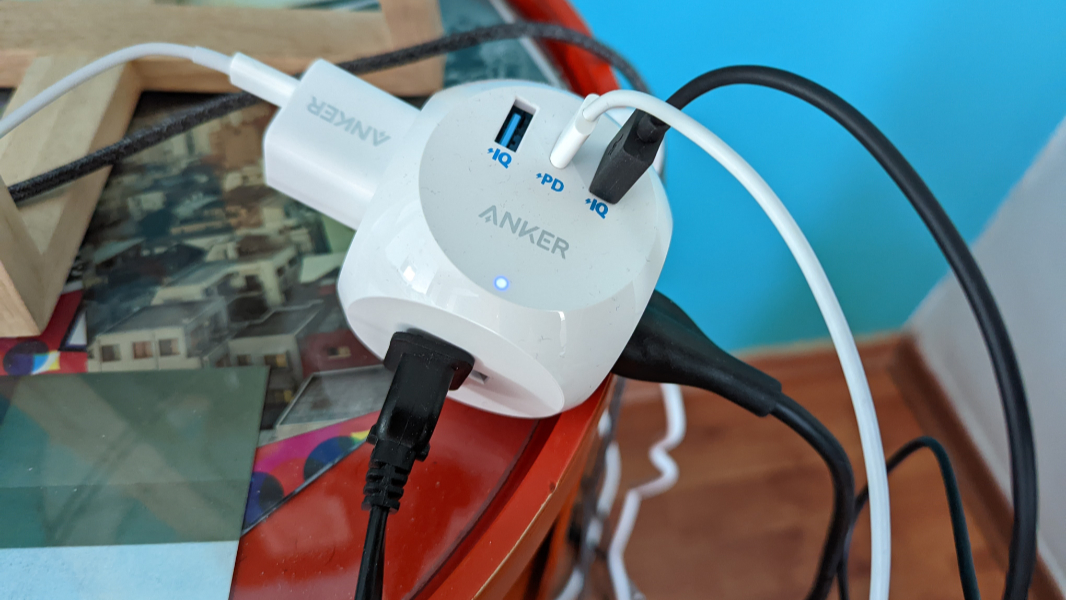
For this trip, I added an Xbox Wireless Controller in case I had time to play Halo Infinite over Xbox Cloud Streaming, but I barely even looked at it. But the Anker Power Strip with USB-C that I purchased last November got a nice workout: this improves over the previous version by providing a single USB-C port in addition to two USB-A ports, and with its newly angled power plug, which fits better in tight spaces. Mexico uses the same power ports as the U.S. so no adapters are required, which really simplifies things.
Software
On previous trips, I complained about the many issues we’ve had with Google Maps and other mobile apps, and that hasn’t gotten any better. I’m not sure what more I can write about this, but I find it frustrating how often Google recommends places that are not open, and how different the experience is across the iPhone and Android. It’s almost too complicated to even explain.
Likewise, after all these years of international travel, you’d think it would be easier to get English search results and other web pages when outside of the U.S., but it isn’t. You can actually configure Google Search to display in English, and you can tell Chrome and other browsers to always translate to English. But neither works well, and neither works all the time. It’s really frustrating.

Naturally, one could use a VPN, and I did use ExpressVPN several times during this trip. But even that doesn’t prevent the problems all the time, for reasons I can’t explain. This can’t be unique to me: as a person from whatever country who reads whatever language, it’s reasonable to expect a web browser to work that way no matter where you are at the moment. But this is not a thing. I don’t get it.
Air travel
I wrote about our air travel experience on this trip previously in Getting There: Mexico City, January 2022 (Premium), and since we’ve not yet flown home yet, I don’t have much to add. We actually flew Business Class this time, which is unusual for us—thanks, AMEX points—so that makes things less painful and cramped.
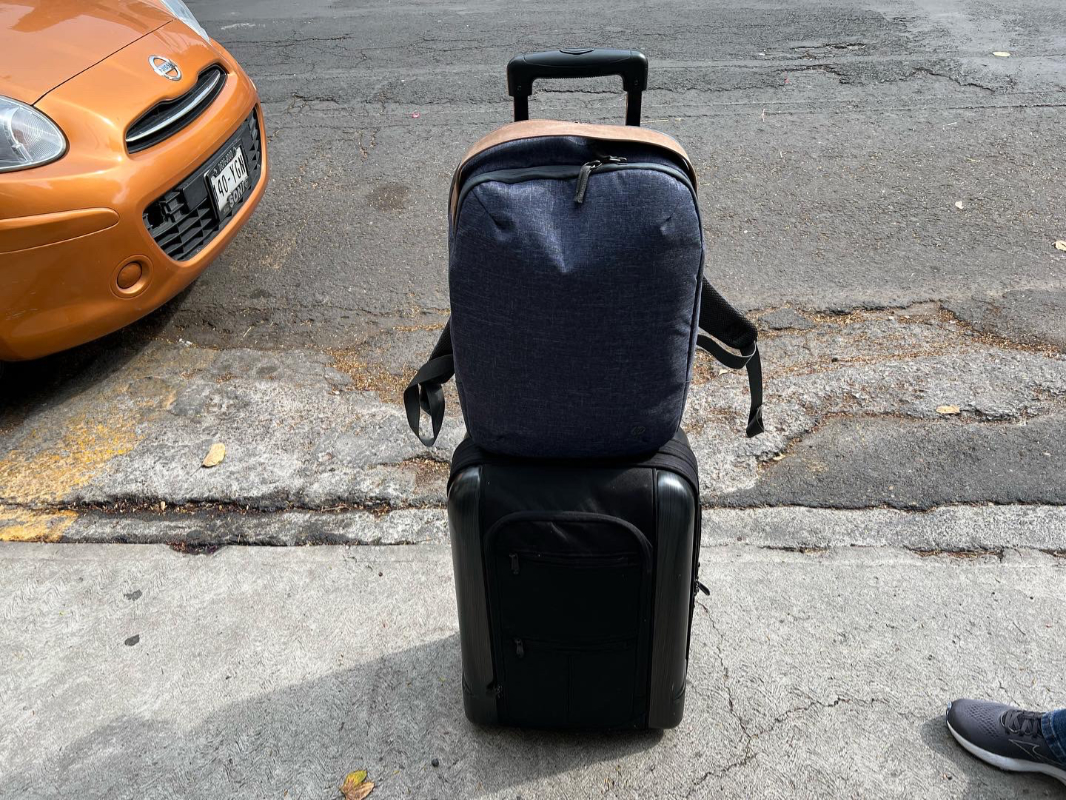
I described the laptop bag and luggage I brought here in More Mobile: On the Road (Premium) as well.
The only complication: we need to figure out a COVID test to go home, so we’ll do that today (Sunday), the day before we fly, at a local clinic or maybe even at the airport, as it’s only a 20-minute drive. And then we have to get our car in New Jersey, which was perhaps pummeled by a blizzard over the weekend. Should be interesting.
Schedule and logistics
My wife and I treated this trip like a home swap, meaning that it was not a vacation per se and we worked every day on an adjusted schedule. Almost all of our home swaps were in Europe over 15 years, which gave us a time zone change advantage, but here, we’re just one hour behind our normal EST time zone, so we had to make some changes.
Basically, we got up every day by 7 am at the latest, giving me some time before First Ring Daily (which here starts at 8 am not 9 am) to read the newspapers and other news sites and ease into the day. We typically worked until 12 or 1 pm, headed out for lunch, and then spent at least a few hours walking each day, seeing various parts of the city. We’d get back between 3 and 5 pm, depending on the day, work for another couple of hours and/or relax, and then we’d start thinking about dinner. Which was usually a short walk away.

This schedule didn’t harm my productivity, which doesn’t surprise me: I’ve often described our home swap schedules as being ideal. For example, I typically write an average of about 40,000 words per week not counting my book work, and in the first full week in Mexico, I hit nearly 59,000 words, according to Grammarly. I suspect the second week will be similar. (I find out Monday.)
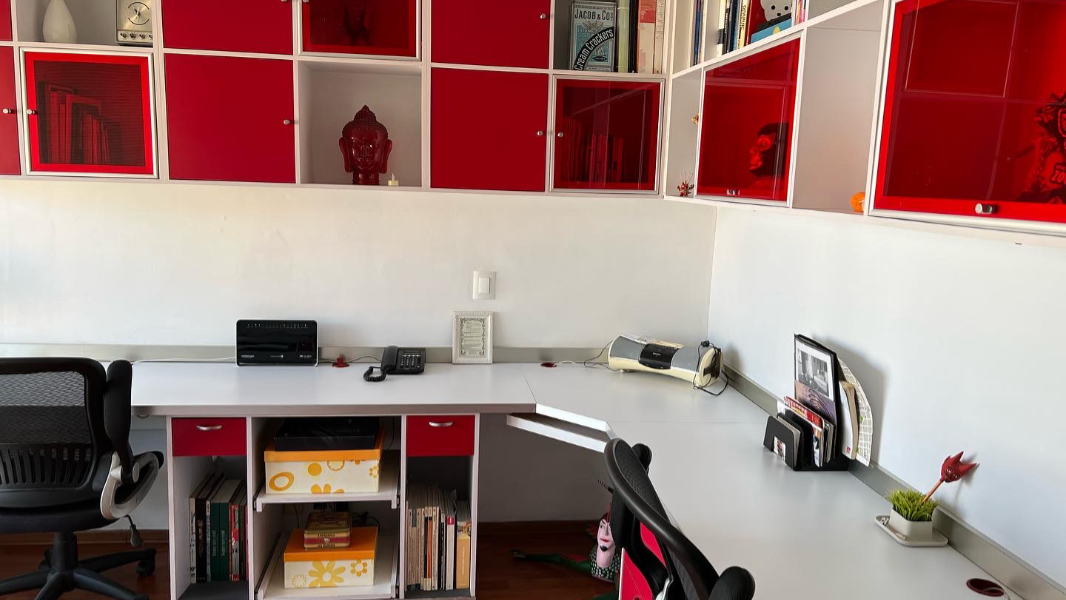
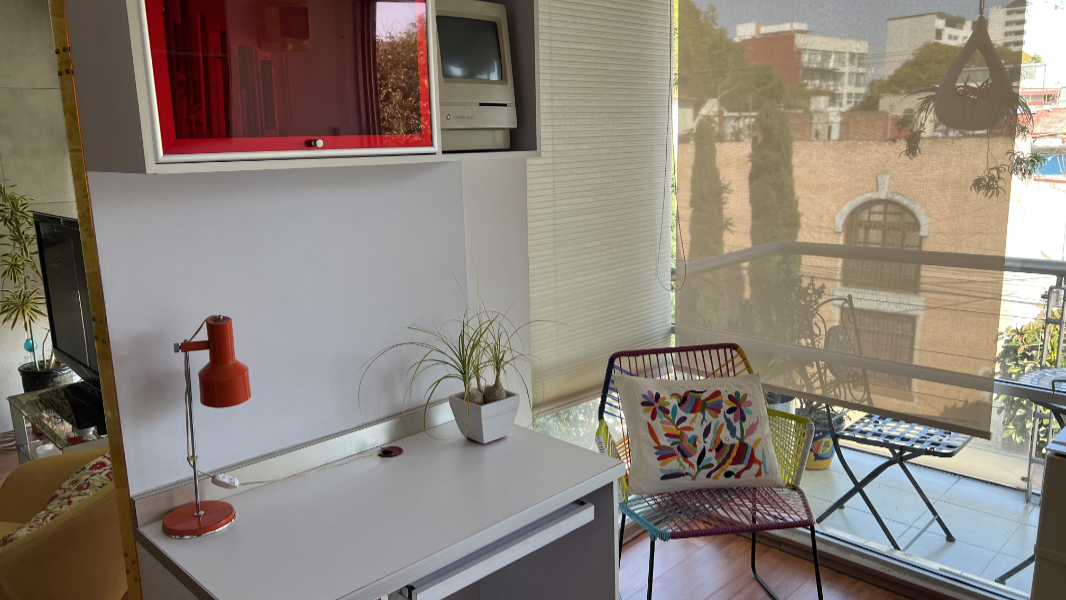
We stayed at a very nice Airbnb in a Mexico City neighborhood called Roma Norte that is now our favorite part of the city. It’s on the third floor of a four-floor apartment building with an elevator, has fast 160/60 Mbps Internet, and is within a few blocks of some of the best restaurants in the city, plus a wide variety of shops, grocery stores, and the like. It’s quiet and safe, certainly safer than places like Paris or New York City, and it has felt like home.
Originally, we planned to handle food here as we’ve done on home swaps, meaning we’d eat breakfast at home, eat lunch out in the world, and then eat dinner back at home on most days. But because Mexico is so inexpensive—so incredibly inexpensive—we ended up not doing this. Instead, we rarely ate at home, and we ended up eating most meals out. I don’t typically eat breakfast, so my first meal would usually land between 11 am and 1 pm, depending on the day, after some coffee at home. (My wife did eat light breakfasts at home too.)

To understand the true cost of this trip, we tracked every single purchase we made. It is interesting to me that we took $300 out of an ATM at the airport the day we arrived—about MX$6000—and never needed to get cash again and used credit cards almost everywhere. And while we will be analyzing the money situation when we get back, we did some rough math on more than one occasion and have a few generalities to share with regards to meals.

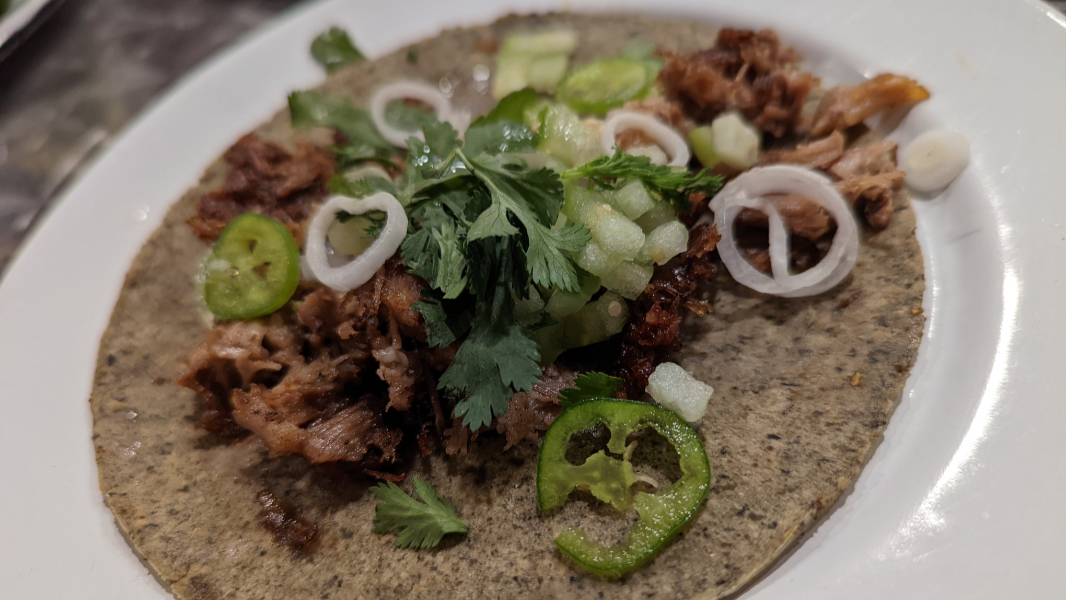
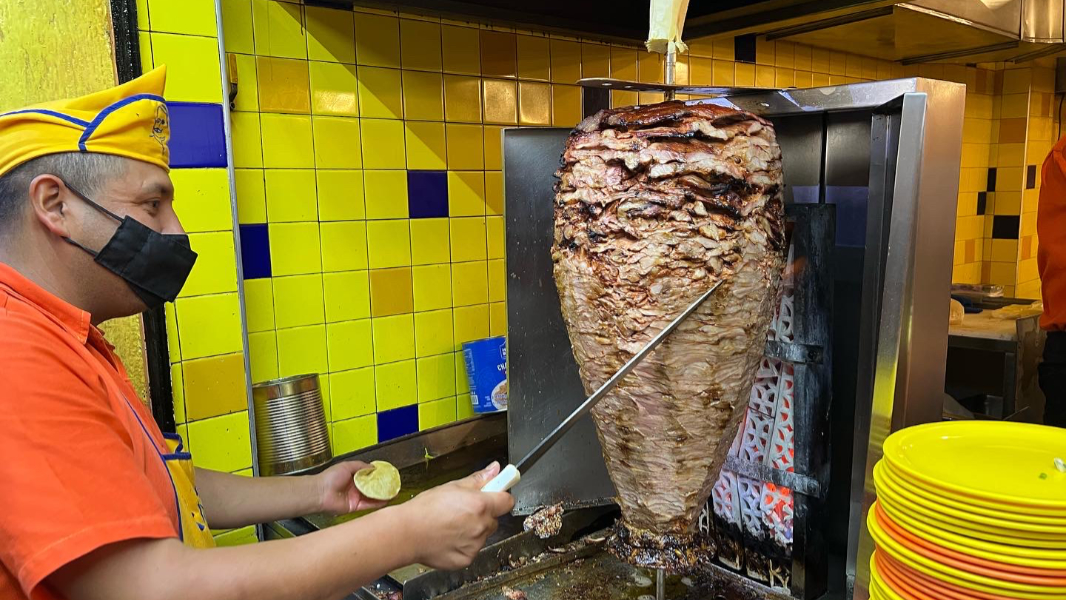
One, the street food situation here is off the charts, and it’s always very inexpensive. My wife and I could eat a very filling lunch at a taco or sandwich stand for less than $10, and at a similar quality sit-down restaurant for less than $15-20.
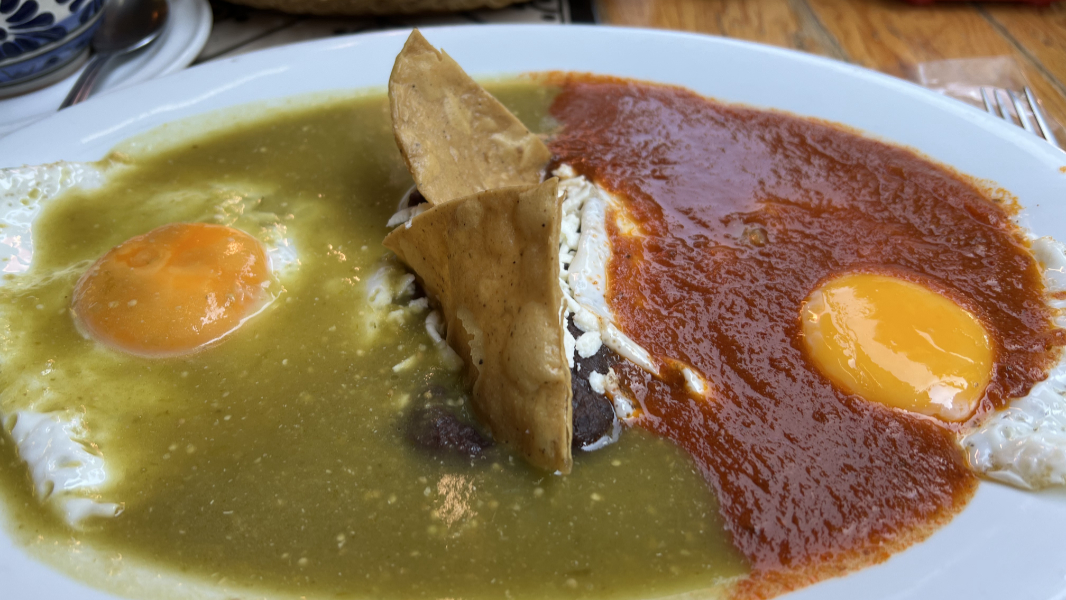
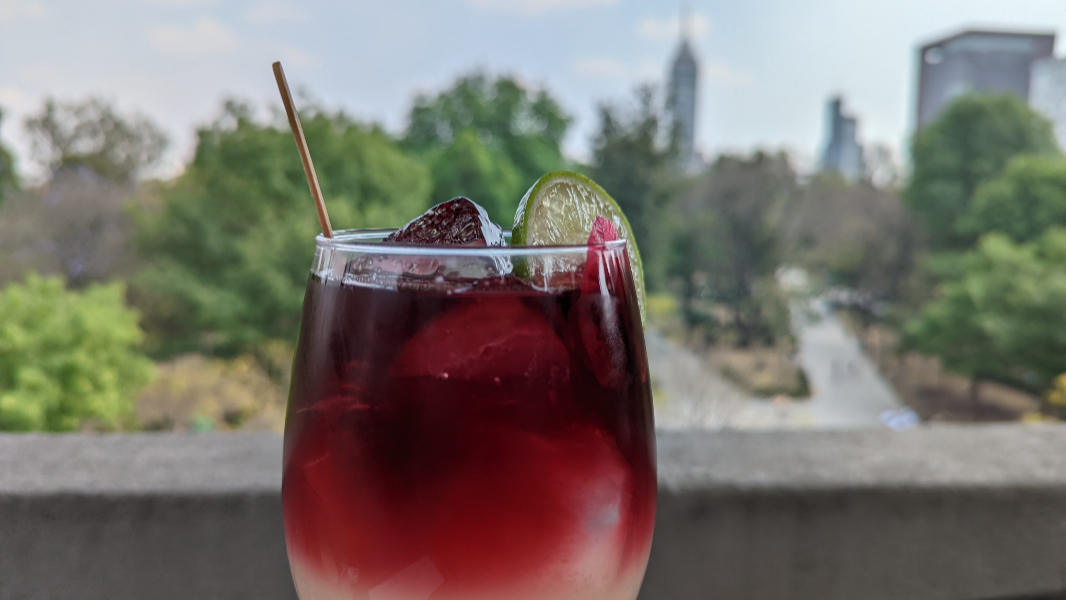
Two, a nice sit-down dinner with drinks, similar to what we’ve been doing back home once or twice each week, cost around $50 here. That’s less than half—and with tip, about one-third—the cost of comparable meals back home.

Granted, we’ve been away, and we’ve splurged more than we would normally. But it’s possible—easy, really—to find really inexpensive food of very high quality within 5 minutes of where we stayed. It’s incredible.
Health and safety
My wife and I were both struck by how many times people asked us if we felt safe—or simply expressed that they hoped we’d stay safe—on social media. The prevailing view in the U.S. and probably much of western Europe is that Mexico is a hell hole of Narco violence, and that light-skinned people like us are in constant danger of muggings, kidnappings, or murder. We can credit our government and movies and TV shows for this misconception. Sure, there are dangerous places in Mexico, just as there are in the U.S. But we never visit those places.

Us being us, this turned into an ongoing joke. We would be walking down the street at night in Roma Norte near our Airbnb, and in response to something my wife said, I would respond with, “sure, but do you feel safe?” Her initial response was, “yes, but if I don’t feel safe, I’ll just duck into one of these artisanal cafes or pet spas.” And it kind of went from there.

The thing is, in the two and a half weeks we were here, we never once felt unsafe. We were out on the streets at all hours, and there was never a single moment, a single incident, where one of us thought for even one second, uh-oh, here it comes. It’s just very safe here. We’re not idiots: anything can happen to anyone at any time, of course. But this is a much safer place than many cities we’ve visited in the U.S. and Europe, night or otherwise. At least the parts we frequented.

From a health perspective, I’ve missed out on over two weeks of gym visits, but we at least walked a lot—averaging between 11,000 and 13,000 steps per day—and the altitude added some strain. As with previous trips, I monitored my average resting heart rate each day and saw a familiar pattern in which it jumped up into the mid to high 70s, peaking at 77 bpm before it settled back to the high 60s where I like it. That was me getting used to the altitude, I guess.

Which reminds me: I never mentioned that I rage-replaced my Fitbit Versa 3 smartwatch with a smaller Fitbit Charge 5 fitness tracker one week before we left for Mexico. The Versa had suddenly developed a serious battery life problem and was having difficulty syncing with the iPhone; I could still sync it with the Pixel 6 Pro, but that wasn’t ideal since I had switched phones. I tried resetting it and other troubleshooting, but with the trip approaching, I gave up and ordered the Charge 5. I love it. It’s smaller and less bulky than the Versa, it doesn’t have the stupid side “button” that would always misclick with the Versa, and its colors screen is easy to read. Better still, the battery life is even better than the Versa’s (when it worked): I can easily go a week with this thing.
With regards to COVID, Mexico is safer than the United States, especially this area, and almost everyone wears a mask everywhere, with the worst offenders being Americans (and presumably Europeans), who walk around maskless like the entitled people we are. That said, we always wore masks as required. Of course, Mexico is behind the U.S. on the Omicron wave, so numbers are going up. And where mask usage was literally 98+ percent on earlier trips, I guess it’s closer to 90 percent now. Understandably, two years in, people are getting tired of all the restrictions. But this country is much more compliant than is the U.S.
I mentioned food above. And it’s fair to say that Americans or others visiting Mexico need to plan accordingly when it comes to food and water: Montezuma’s Revenge is a thing. The good news, for us, was that we never suffered from any issues on this or our previous two trips. (Aside from a minor stomach thing on the first trip last June, I guess, that didn’t derail anything.) It’s often not possible to know exactly what caused your stomach to suddenly rebel, but we have some common-sense strategies for forestalling problems. And researching what’s really happening helps too, as always.
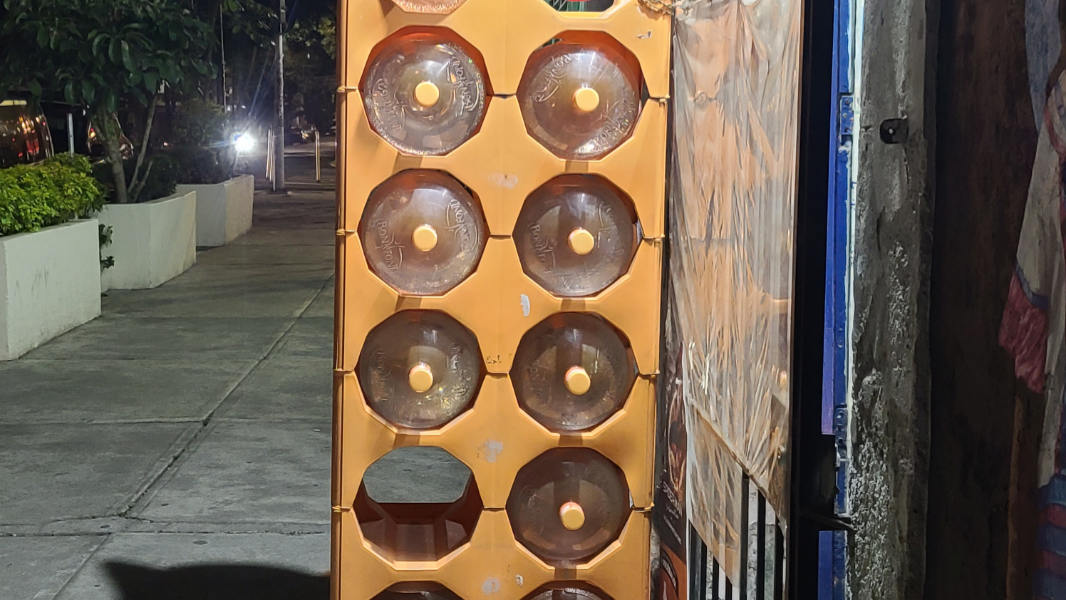
First of all, no one drinks water out of the tap here. It’s not that the water is bad or full of parasites or whatever, it’s that the plumbing is terrible, unreliable, and, in a place like Mexico City, traverses huge distances over a variety of different networks of terrible pipes. For brushing teeth (no swallowing), cleaning dishes, showering, and so on, it’s fine. But for drinking, we have gigantic water bottles that are delivered inexpensively to each home, or you can add water filtration directly to the kitchen, bathroom, or wherever. This was never an issue for us, and we replaced the big water bottle in the kitchen once ourselves because there is a store on the corner. Easy.
With regards to street food, etc., you hear a lot of nonsense about how bad that can be, but fruits and vegetables are fresh and are washed with clean, non-tap water, and everything you order is either cooked or heated right in front of you, averting any issues. We ate a lot of street food on each trip, no issues to speak of.

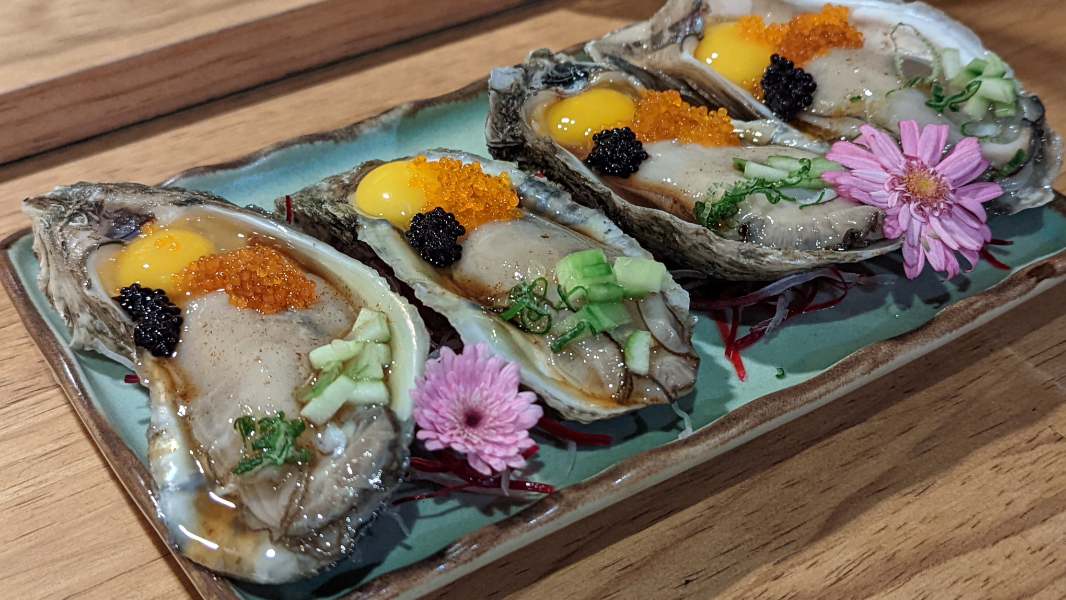
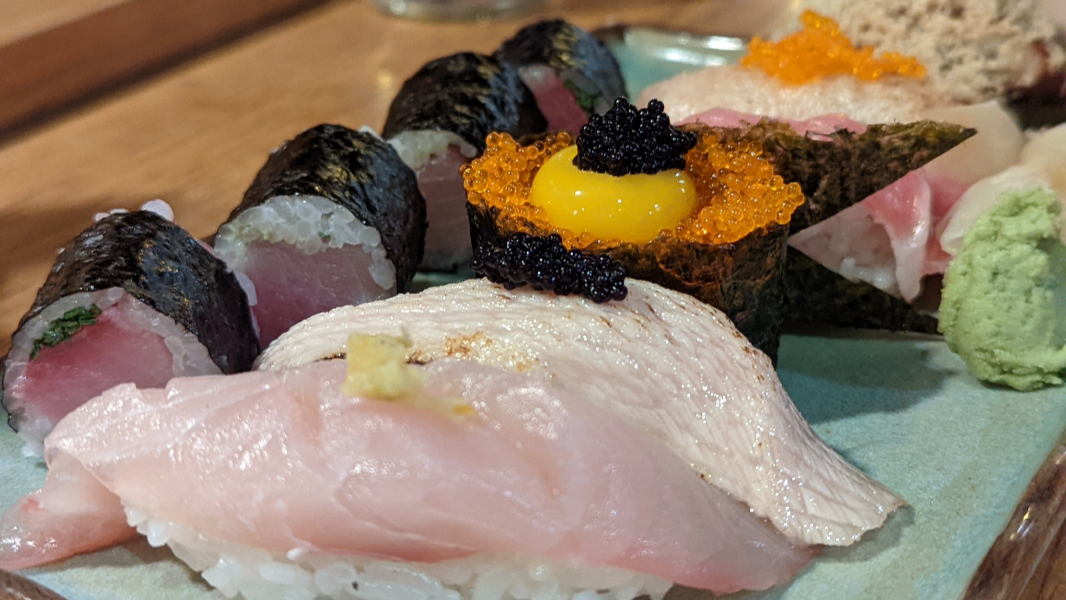
The thing is, Mexico has an incredible food supply, and when you’re in a place like Mexico City, it’s like being in Paris, where you get fresh seafood, meats, cheeses, vegetables, fruits, and so on from all around the country; it’s brought in fresh every day. It’s really impressive. We had better sushi here than we’ve had anywhere in the U.S. or Europe. And there is terrific non-Mexican food of any kind here in Mexico City.
Places
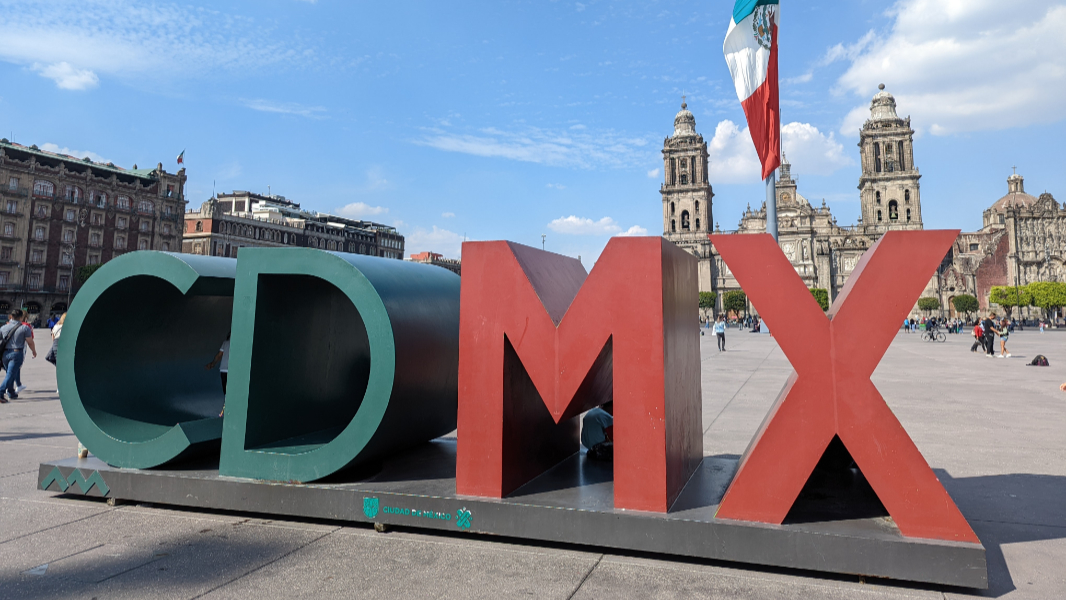
We’ve now visited Mexico City three times, and we’ve pretty much seen all the major tourist sights, beyond a handful that are still impacted by COVID. So for this trip, we focused on visiting neighborhoods, and we mostly stayed away from the touristy areas. (We visited the historic center of the city only twice.)
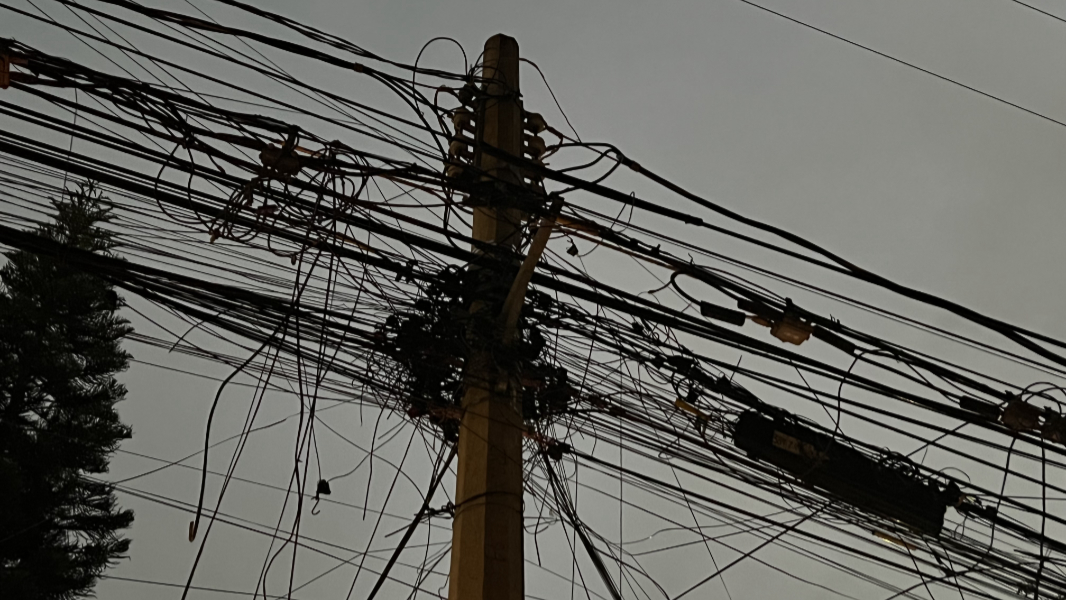
If you’re familiar with the city, we’ve spent the most time in Roma Norte and Condesa, but also visited the Polanco, Chapultepec, Benito Juarez, Alameda Central, Roma Sur, Coyoacan, and San Angel neighborhoods. Mexico City is an amazing place, and with over 21 million people in the metro area, it’s the largest city in the Americas by far. We can only hope to experience a small part of it.

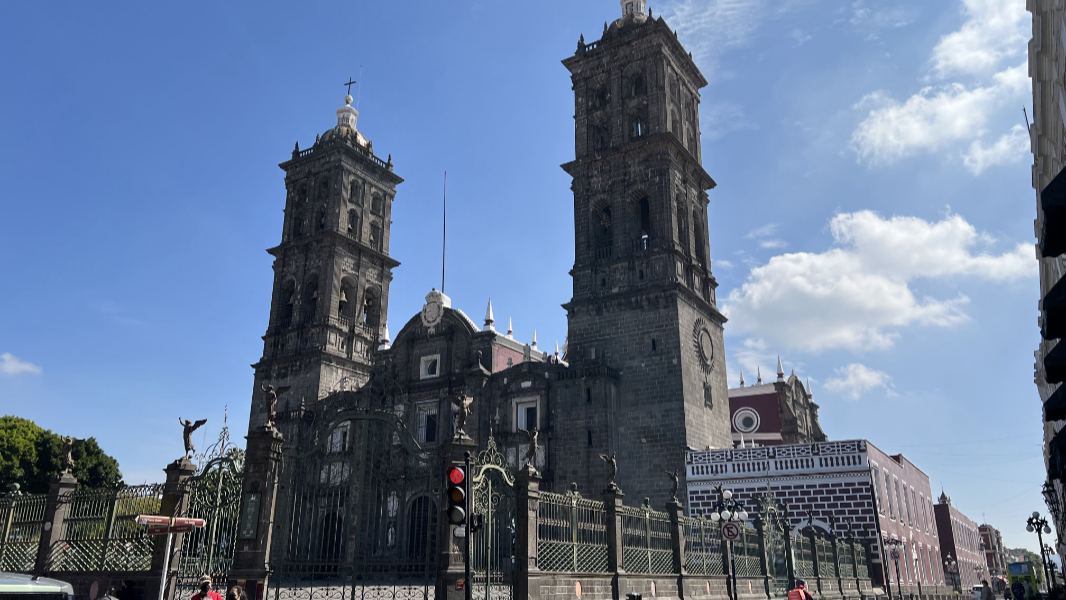
As with many of our home swaps, we made a short side-trip, in this case of Puebla, which is about two hours south of Mexico City by car (or, in our case, bus).
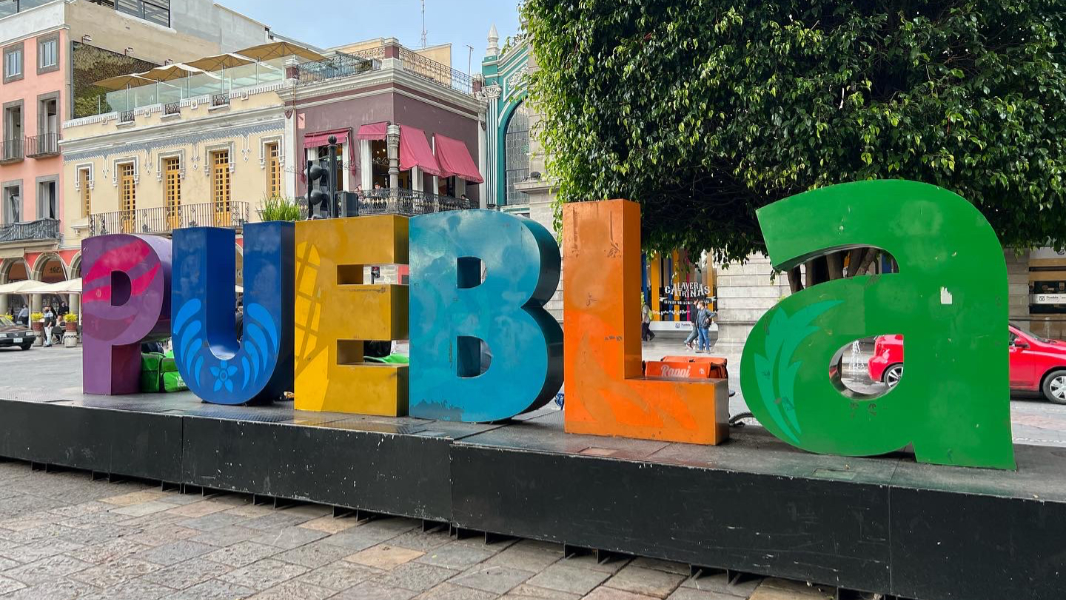
Puebla is a cute city two, with a great center and a terrific food scene. We spent two nights there.
Wrapping up
When it comes to this kind of thing, it’s easy to miss something, but I think that’s most of it. We had a great trip, we wish we could stay, and we’re not looking forward to heading back to terrible weather and deathly cold. We’re also looking forward to our next trip to this delightful country. It can’t happen quickly enough.

Gain unlimited access to Premium articles.
With technology shaping our everyday lives, how could we not dig deeper?
Thurrott Premium delivers an honest and thorough perspective about the technologies we use and rely on everyday. Discover deeper content as a Premium member.